Edit Stories That Move People
Learning motion picture editing isn't about memorizing shortcuts. It's about understanding rhythm, pacing, and how to shape raw footage into something that makes audiences lean forward in their seats.

How You'll Actually Learn
We skip the fluff. You work with real footage from day one, building projects that belong in your portfolio. Here's what that looks like in practice.
Get Your Hands Dirty
You start by assembling rough cuts from professional shoots. Not tutorials. Not demos. Actual footage that needs editing decisions right away.
Learn Why, Not Just How
Anyone can learn where buttons are. We focus on the thinking behind every cut—when to hold, when to move, and why certain transitions work while others fall flat.
Build Something Real
By month four, you'll have completed pieces you can show. Short documentaries, narrative sequences, commercial work. Stuff that demonstrates what you can actually do.
Get Professional Feedback
Every project gets reviewed by editors who've worked on features and commercials. They'll tell you what's working and what isn't—the same way they'd critique a colleague's work.
Practical Approach
Work With Real Footage From Day One
Most courses give you practice clips. We give you the same raw material professional editors receive. Multi-camera interviews. Documentary B-roll. Narrative scenes that need assembly.
You'll learn how to organize hundreds of clips, find the moments that matter, and build sequences that flow. Because that's what the job actually requires.
Industry Standards
Learn Tools That Matter
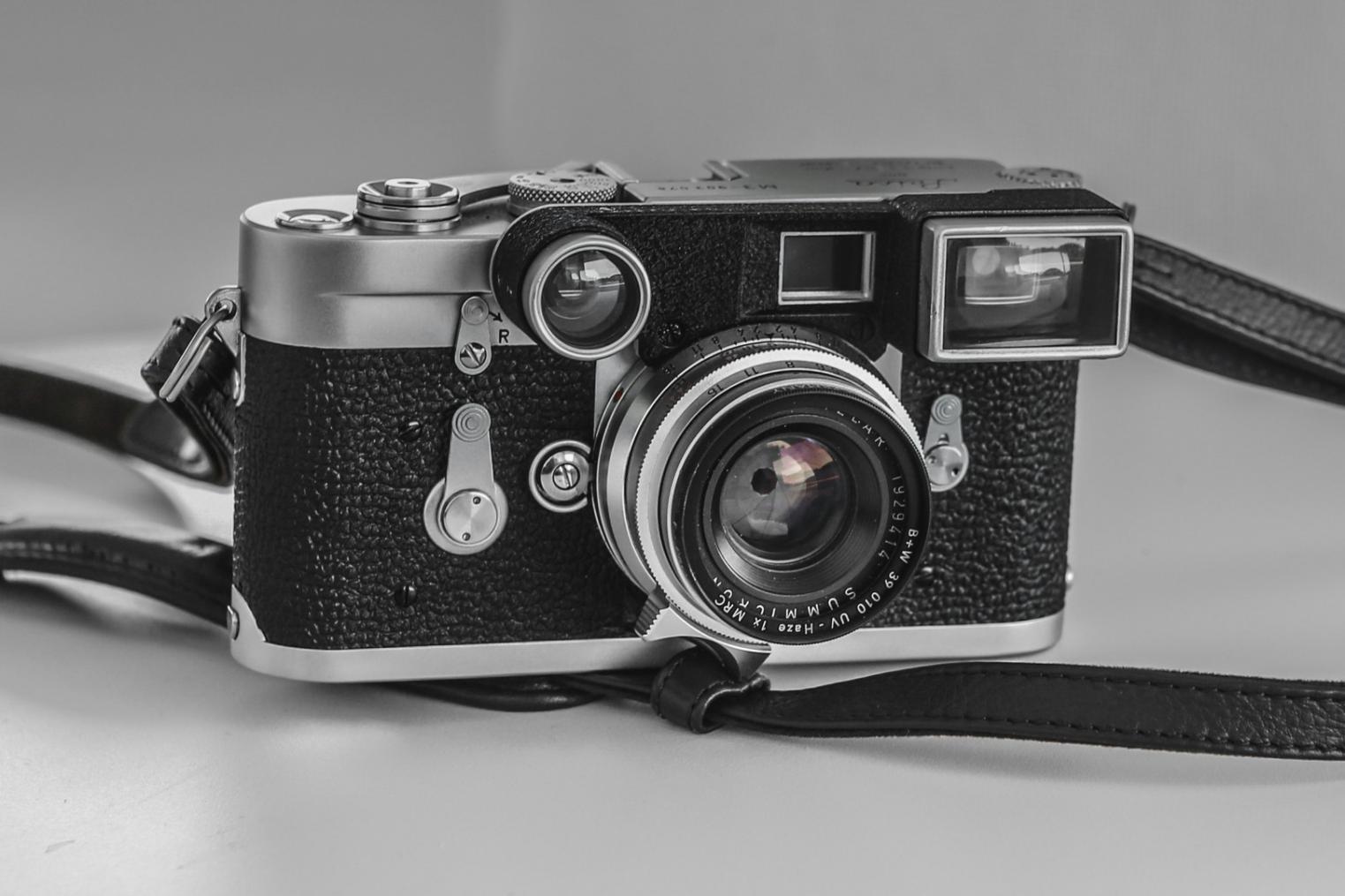
We teach on the same platforms used by post-production houses across Europe. You'll get comfortable with professional workflows—media management, color grading basics, audio cleanup, delivery specs.
The technical stuff matters, but only if you understand when and why to use it. That's where the instruction comes in.
Portfolio Development
Build Work You Can Show
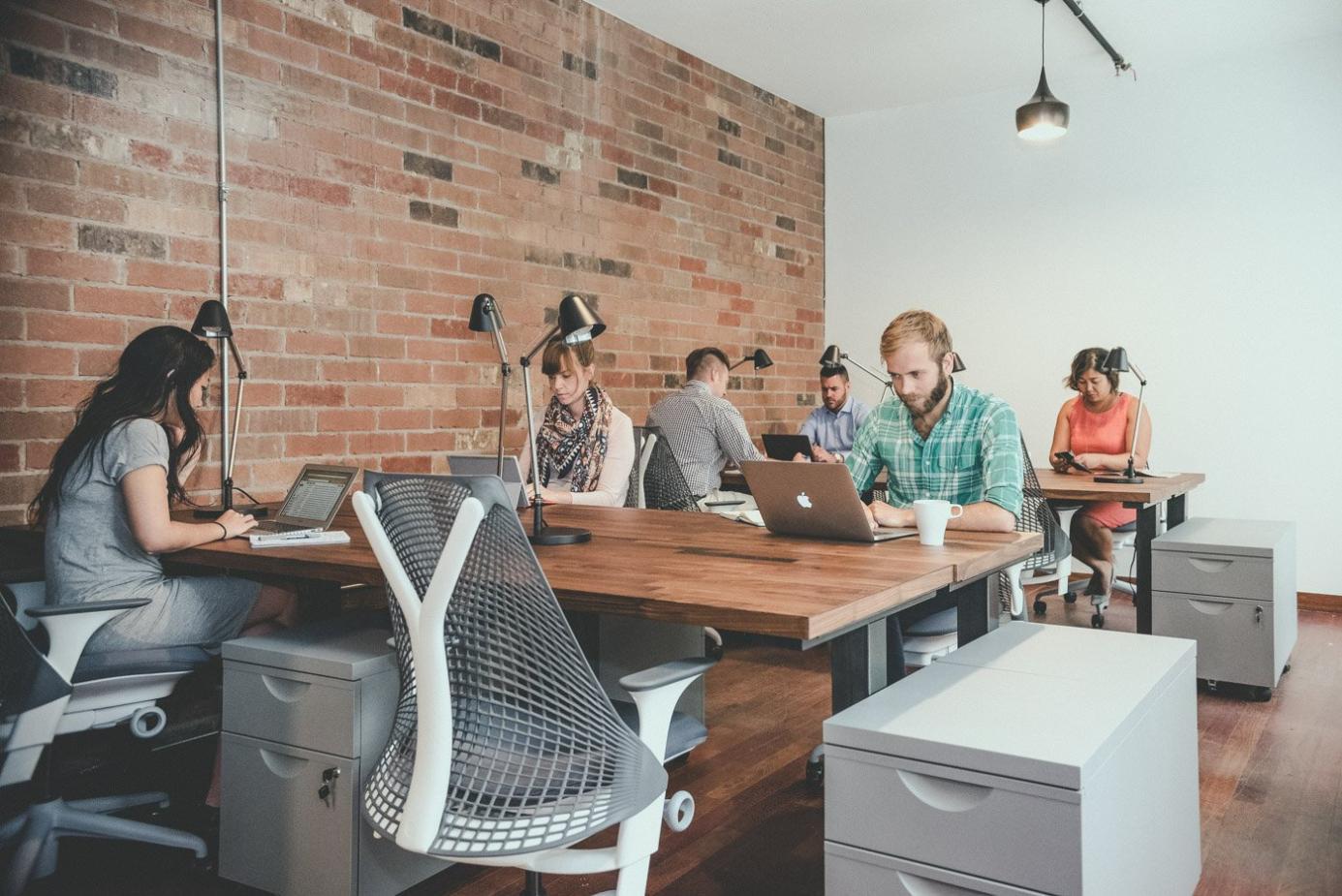
The entire program is structured around portfolio pieces. Each project gets increasingly complex, and you keep full rights to what you create.
By the end, you'll have a reel that demonstrates narrative editing, documentary work, and commercial pacing. That's what gets you in the door for interviews.
What Students Actually Say
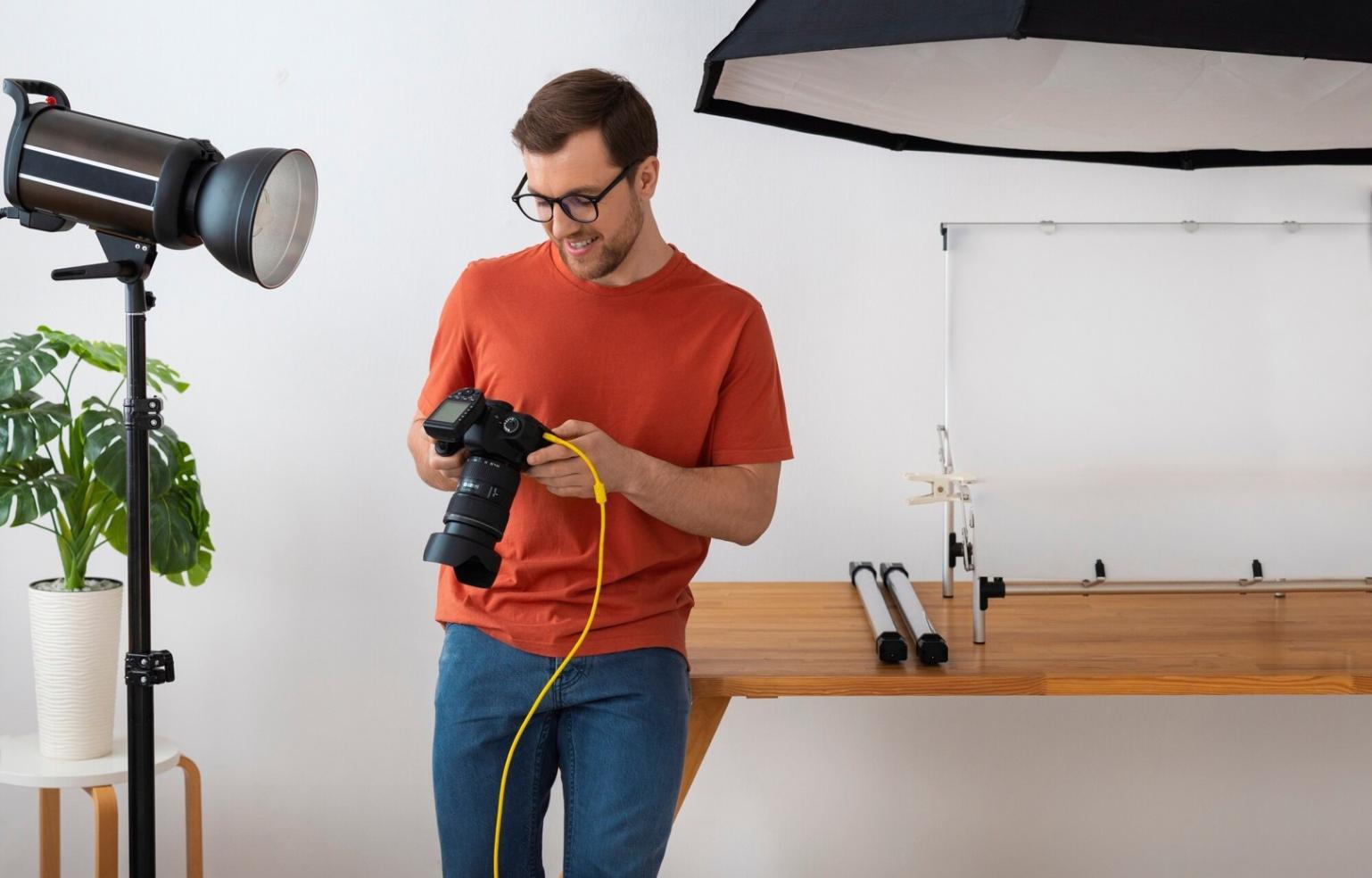
I'd been cutting together family videos for years, but this program showed me how much I didn't know. Working with multi-cam interviews was intimidating at first—syncing everything, finding the best takes, keeping audio clean. But after a few weeks, it clicked. Now I'm editing for a small production company in Vienna, and I use what I learned here every single day. The portfolio pieces I built during the course are what got me that first job.